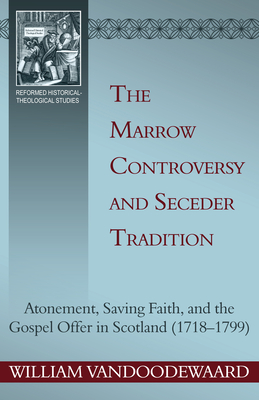
After the Reformation, the Marrow Controversy of the eighteenth century is noted as one of the most significant and defining events in the Scottish church. However, until now, there has not been a serious analysis of the theology of the Marrow Men as it relates to churches in Scotland during the...
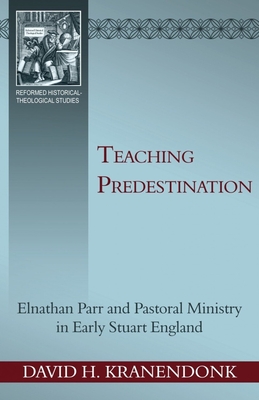
Read More about The Marrow Controversy and Seceder Tradition: Atonement, Saving Faith, and the Gospel Offer in Scotland (1718-1799) (Reformed Historical-Theological)In Teaching Predestination , David H. Kranendonk focuses on the ministry of an early seventeenth-century Puritan-leaning theologian, Elnathan Parr (1577-1622). Although relatively unknown today, Parr's works were popular in his own day. Kranendonk's survey contributes a nuanced picture of this...
Read More about Teaching Predestination: Elnathan Parr and Pastoral Ministry in Early Stuart England (Reformed Historical-Theological)The Theology of the French Reformed Churches introduces us to the Huguenots of the seventeenth century. The period was an unusual one in which France boasted two state religions, Roman Catholic and Protestant, due to the protections afforded the latter by the Edict of Nantes in 1598. In this book...
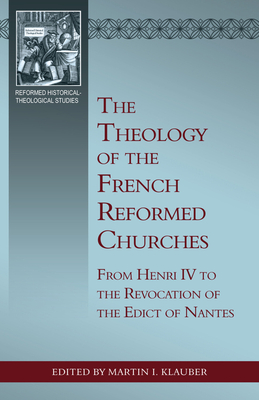
Read More about The Theology of the French Reformed Churches: From Henry IV to the Revocation of the Edict of Nantes (Reformed Historical-Theological)The Theology of the French Reformed Churches introduces us to the Huguenots of the seventeenth century. The period was an unusual one in which France boasted two state religions, Roman Catholic and Protestant, due to the protections afforded the latter by the Edict of Nantes in 1598. In this book...
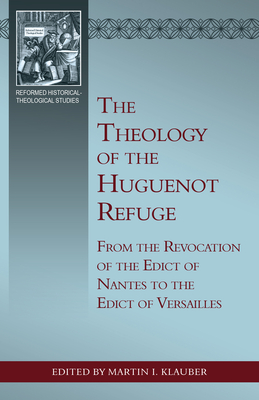
Read More about The Theology of the Huguenot Refuge: From the Revocation of the Edict of Nantes to the Edict of Versailles (Reformed Historical-Theological)In this Reformed Historical-Theological Study, Dr. Richard A. Muller delves into one of the most controversial doctrines of Reformed Theology: predestination. Muller carefully investigates key incidents that illustrate the doctrine's complexity and development by surveying Reformed thought on...
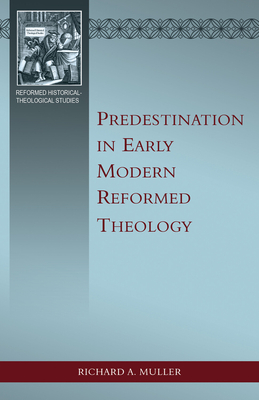
Read More about Predestination in Early Modern Reformed TheologyDuring the late sixteenth and early seventeenth centuries, a "spiritual brotherhood" formed among the Puritans, shaped by the reforming activity and training of Cambridge. These pastor-theologians initiated a new emphasis within the established church, stirring up a greater understanding of the...
Read More about The Spiritual Brotherhood: Cambridge Puritans and the Nature of Christian Piety (Reformed Historical-Theological)To understand the great theologians of the past, we must understand the circumstances that formed them. In the newest volume of the Reformed Historical Theological Studies series, Martin I. Klauber and his troupe of capable historians survey the history and doctrine of the French Reformation. This...
Read More about The Theology of Early French Protestantism: From the Affair of the Placards to the Edict of NantesOver the years, some scholars have argued for competing streams of covenantal thought within the reformed tradition. For instance, some have pitted Calvin against the Calvinists, some have tried to detect unilateral and bilateral approaches to the covenant, and still others have set federalism...
Read More about Unity and Continuity in Covenantal Thought (Reformed Historical-Theological)In Understanding the Divine, Richard A. Muller clarifies concepts and distinctions used by Reformed theologians of the sixteenth and seventeenth centuries to discuss the essence, attributes, and Trinitarian nature of God. He wipes away caricatures of Calvin and succeeding generations of Reformed...
Read More about Understanding the Divine in Early Modern Reformed TheologyReformed moral teaching embraces the authority of Scripture, a stable moral order from creation, and the moral law expressed in the Ten Commandments as a guide for developing a virtuous life. But did such ideas radically appear during the Reformation? In The Roots of Reformed Moral Theology, Bruce P...
Read More about The Roots of Reformed Moral Theology: The Historical Background of an Ecclesial Tradition